 By umk667758@gmail.com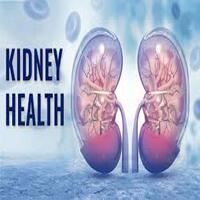
Kidney Health: Protecting the Body’s Natural Filter
Introduction
Kidneys are among the most important organs in the human body. Although they are small in size, they perform vital functions that keep the body healthy and balanced. The kidneys work continuously to filter waste products and excess fluids from the blood, which are then removed from the body through urine. Maintaining kidney health is essential for overall well-being because damaged kidneys can lead to serious health problems. By understanding how the kidneys function and how to care for them, people can reduce the risk of kidney disease and live healthier lives.
Understanding the Kidneys and Their Functions
The human body has two kidneys located on either side of the spine, just below the rib cage. Each kidney is shaped like a bean and is about the size of a fist. Despite their small size, the kidneys perform several critical tasks that help maintain the body’s internal balance.
One of the main functions of the kidneys is filtering waste and toxins from the blood. Every day, the kidneys filter around 50 gallons of blood, removing harmful substances and excess water. These waste products are then turned into urine and passed out of the body.
In addition to filtering waste, the kidneys help regulate important functions such as blood pressure, electrolyte balance, and red blood cell production. They also help maintain the proper levels of minerals like sodium, potassium, and calcium in the body. Without properly functioning kidneys, these processes would be disrupted, leading to serious health complications.
Importance of Hydration for Kidney Health
Drinking enough water is one of the most important ways to keep the kidneys healthy. Water helps the kidneys remove waste products and toxins from the body efficiently. When a person drinks enough fluids, urine flows easily through the kidneys and urinary tract, helping prevent the formation of kidney stones and infections.
Dehydration can place stress on the kidneys and make it harder for them to perform their functions properly. Over time, chronic dehydration may increase the risk of kidney damage. Health experts generally recommend drinking around six to eight glasses of water per day, although individual needs may vary depending on climate, physical activity, and health conditions.
In hot weather or during physical activity, the body loses more water through sweat, making it even more important to stay hydrated. Choosing water instead of sugary drinks is the best way to support kidney health.
The Role of a Healthy Diet
A balanced and nutritious diet plays a significant role in maintaining healthy kidneys. Foods rich in vitamins, minerals, and antioxidants help protect the kidneys from damage and support their normal function. Fruits, vegetables, whole grains, and lean proteins are excellent choices for a kidney-friendly diet.
Reducing the intake of salt is especially important for kidney health. Too much salt can increase blood pressure, which puts extra strain on the kidneys. Over time, high blood pressure can damage the delicate filtering units inside the kidneys.
It is also important to limit the consumption of processed foods, which often contain high levels of sodium, unhealthy fats, and preservatives. Instead, people should focus on fresh and natural foods that provide essential nutrients without placing unnecessary stress on the kidneys.
Exercise and Maintaining a Healthy Weight
Regular physical activity is another important factor in protecting kidney health. Exercise helps control blood pressure, improve blood circulation, and maintain a healthy body weight. These benefits are essential because conditions such as obesity, high blood pressure, and diabetes are major risk factors for kidney disease.
Engaging in moderate physical activities such as walking, cycling, swimming, or playing sports can significantly improve overall health and reduce the risk of kidney problems. Health experts recommend at least 30 minutes of exercise most days of the week to maintain good physical health.
Maintaining a healthy weight also reduces pressure on the kidneys and helps them function more efficiently. A combination of regular exercise and a balanced diet can greatly improve kidney health and overall well-being.
Avoiding Harmful Habits
Certain habits can damage the kidneys over time. Smoking, excessive alcohol consumption, and the misuse of medications can all negatively affect kidney function. Smoking reduces blood flow to the kidneys and increases the risk of kidney disease. Similarly, drinking too much alcohol can interfere with the kidneys’ ability to filter toxins from the blood.
Another common problem is the overuse of painkillers and certain medications without medical supervision. Some medications can be harmful to the kidneys if taken in large amounts or for long periods. It is always important to follow a doctor’s advice when using medications.
By avoiding harmful habits and making healthier choices, individuals can significantly reduce their risk of kidney damage.
Importance of Regular Health Checkups
Regular medical checkups are essential for detecting kidney problems at an early stage. Many kidney diseases develop slowly and may not cause noticeable symptoms until significant damage has occurred. Routine tests such as blood tests, urine tests, and blood pressure measurements can help identify potential kidney issues before they become serious.
People with conditions such as diabetes or high blood pressure should be especially careful because these conditions increase the risk of kidney disease. Early diagnosis allows doctors to recommend lifestyle changes or treatments that can protect kidney function and prevent further damage.
Conclusion
In conclusion, the kidneys play a vital role in maintaining the body’s health by filtering waste, balancing fluids, and regulating important bodily functions. Protecting kidney health requires a combination of healthy habits, including drinking enough water, eating a balanced diet, exercising regularly, avoiding harmful behaviors, and attending regular medical checkups. By taking these preventive steps, individuals can support the proper functioning of their kidneys and reduce the risk of kidney disease. A healthy lifestyle not only benefits the kidneys but also contributes to overall health and a better quality of life.